
Good Legal Writing
Last week, the Supreme Court of Virginia affirmed the SCC’s denial of a toll road increase. Commuters in Northern Virginia are collectively breathing a sigh of relief.
Key takeaways for the rest of us:
Headings and bullets help readers digest content quickly.
- Section headings are a tool. Use them wisely.
- Consider using bullet points in your writing. Yes, even in an appellate brief!
The Opinion: Unless you are practicing in this area–or are very invested in how toll road pricing is set–the merits of the newest Opinion may not interest you. (I say this with apologies to my excellent appellate colleagues who worked on this case on multiple sides.)
I want to focus on something else: writing.
Specifically, Justice McCullough’s use of section headings and bullet points.
Section Headings are a tool.
Section headings are more than just organizational markers. They are a tool. When done well, they:
- Orient the reader
- Reinforce your argument
- Help keep your reader’s attention
What do I mean? From the Opinion:

First, notice how the first section heading is a complete sentence. Some folks would have written the heading like this: “Results of the Greenway project.” That would have told us nothing about what happened and is boring. Instead, use your heading as a summary that offers more insight, like the Opinion did here. It keeps the reader engaged and allows them to quickly understand what happened.
Second, pay attention to your section heading style. Although Part II is in small caps, the next subheading isn’t. The subheading is more readable. I personally instinctively skim large blocks of type that are in all caps and imagine others do the same. While I use all caps for my larger section headings (like the “Statement of Facts” or “Argument” sections), I try to avoid it otherwise. This is a personal preference, though, and I welcome differing opinions on this one.
Third, the SCV didn’t use the Oxford comma in its heading. I’m an Oxford comma loyalist and couldn’t help but notice. Readers, pick a side and be consistent. Just know you will never please everyone because there are strong opinions for and against. Don’t get me started on whether there should be one space or two after a period.
A final point for those of you who occasionally write appellate briefs: Good section headings are also very helpful for your Tables of Contents. When all of these persuasive, descriptive headings are compiled into a table, it reads like a mini-summary of your argument. Descriptive headings should also be used in motions to suppress, bench memorandums, and any legal writing that is multiple pages.
Consider using bullet points.
I once had a trial attorney call me, surprised (and mildly scandalized) that the other side had used bullet points in their appellate brief. But times have changed. This is an example of a modern legal writing trend, which can be very effective.
Here’s an example from the Opinion:
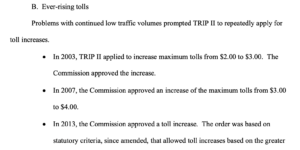
The list continued in the Opinion, detailing more requests to increase the maximum toll rates.
Bullet points make facts stand out to the reader. In the non-legal world, it is a common way to designate a list…so why not here? Bullet points make discrete legal points easier to understand, too.
Here, the bullet points effectively convey that there were a number of times TRIP II sought or obtained approval to raise the toll road rates. And paired with the subheading: “Ever-rising tolls”? The message is clear and compelling.
If you find yourself glossing over your own writing when you have a list in a paragraph, consider whether bullet points may help you.
Great legal writing doesn’t have to be filled with legalese.
While lawyers talk about great legal writing frequently, the truth is that there is good writing and bad writing. We have to include certain things in our legal writing (citations, etc.). But otherwise, we should focus on making our writing clear and easily digestible to everyone.
One informal measure I use is whether a smart non-lawyer understands my point. I use my husband, a math nerd who faithfully reads my blog.* When he can follow along, I consider it a win.
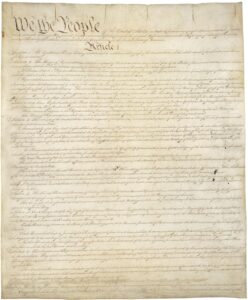
*I plead the 5th on whether I make my husband read these posts…and whether it constitutes cruel and unusual punishment.
Think this is boring? I get it. I sincerely enjoy delving into these kinds of questions. The other members of the appellate guild and I read legal writing books for fun. This is one reason why appellate advocacy is its own specialty. If you don’t love appeals, I’m happy to help.
Have questions–or strong opinions? Get in touch.